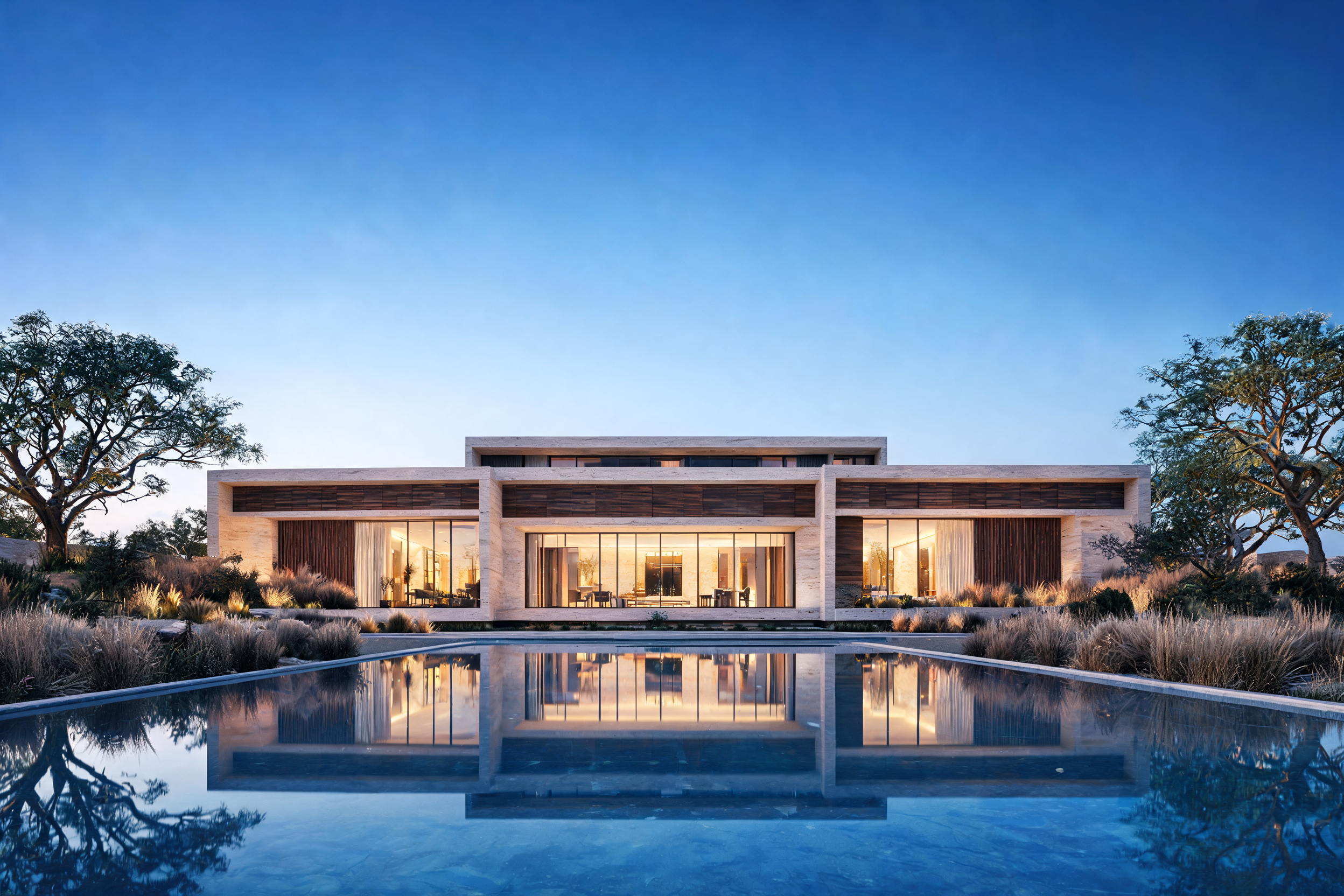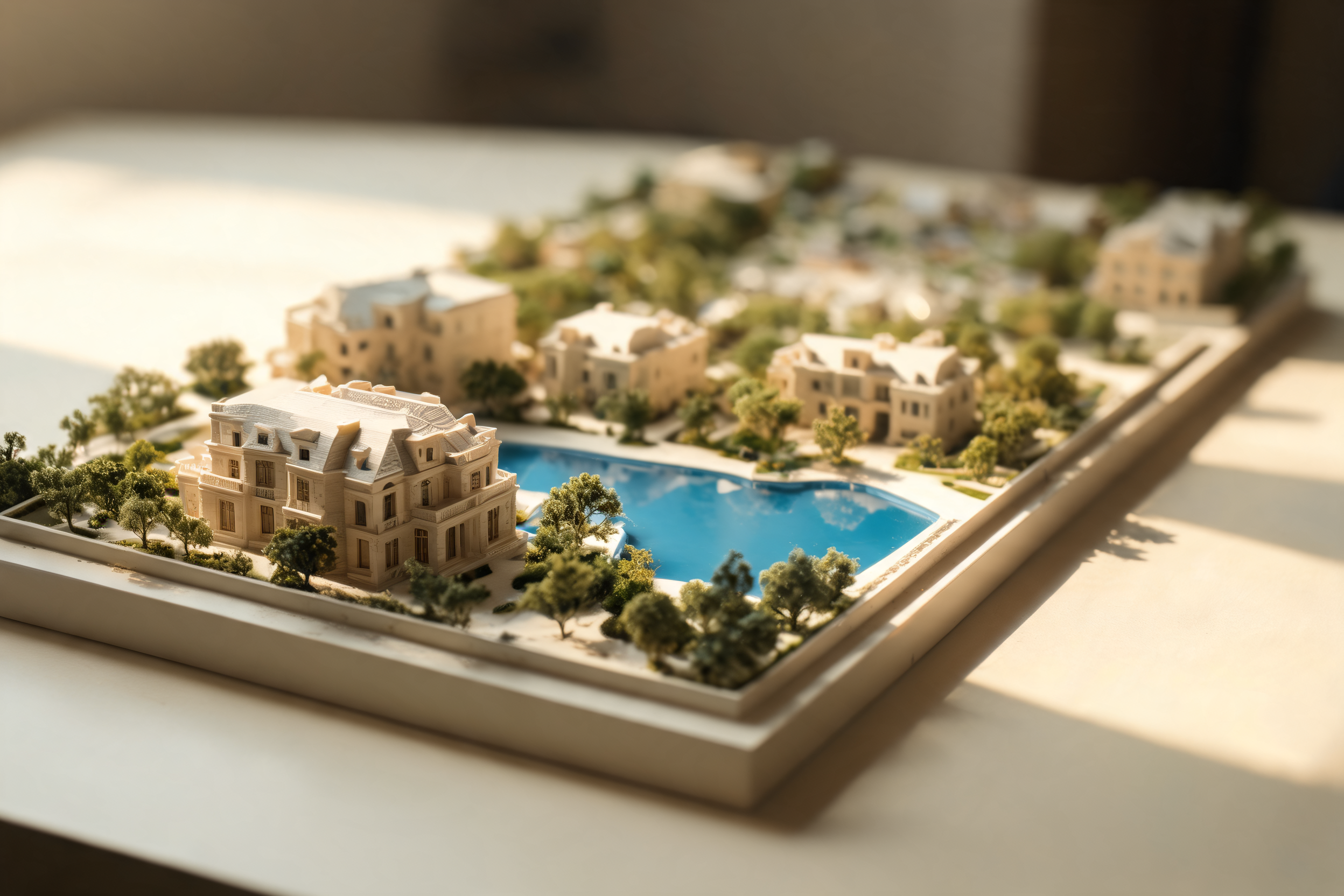
In an age of photoreal renders, it is strange to walk into a studio and find people gluing tiny pieces of card and timber by hand. The model makers at Arabian Hills insist the fuss is justified. A model, they say, tells you the truth a render is paid to hide.
01
What the screen cannot show
Junko Aritomi, who leads the model workshop, has built physical studies for projects across three continents and remains loyal to the craft. "A render decides where the sun is and flatters everything," she said, turning a small massing model under a desk lamp. "Move the light across a real model and you see the shadows you will actually live with. You catch the ugly ones early, when they are cheap to fix."
That is the argument in practice. The physical model makes the spaces between buildings visible, exposes a proportion that looked fine in elevation and looks wrong in the round, and forces decisions that a beautiful image lets you postpone. It is slow, and the slowness is the value.
“A render flatters everything. Move a real light across a model and you see the shadows you will actually live with.”
02
A palette chosen for the sun
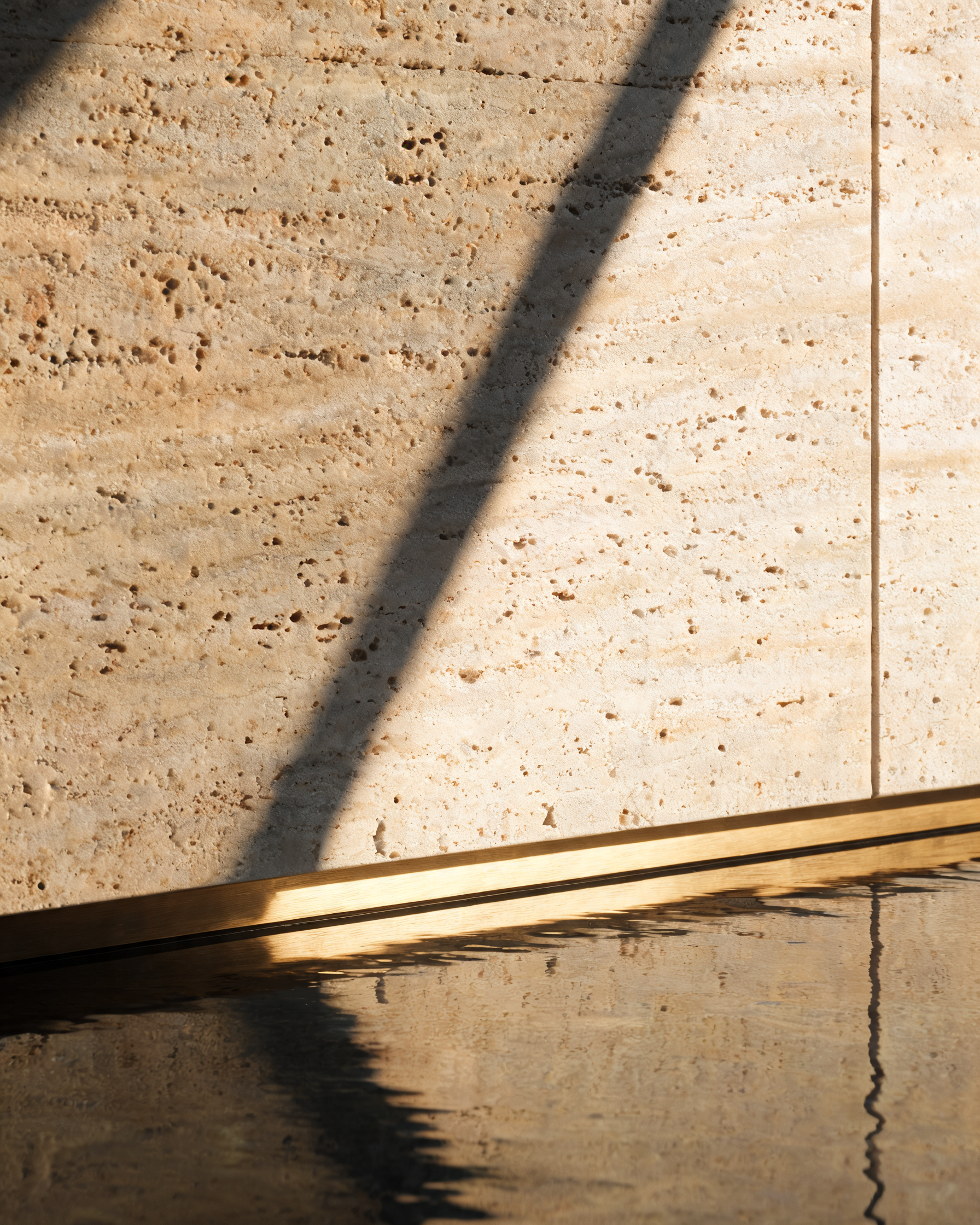
Material selection follows the same logic of testing against reality. Stone, timber, metal and glass are chosen as much for how they behave in harsh light and heat as for how they photograph. Samples are left outdoors for weeks to see how they weather, since a surface that looks refined in a showroom can turn cheap after one summer of UV and dust.
The aim is a language that reads as contemporary but sits in the tones of the surrounding land, so the buildings look like they belong to the ground rather than landing on it. Aritomi is unsentimental about the goal. "When it works, nobody comments on the materials at all. That silence is the compliment."
03
The argument in the room
The model is also a peacemaker, or at least a referee. Design meetings run on opinion, and opinion is hard to settle when everyone is looking at a flattering render. A physical model, sitting in the middle of the table, tends to end arguments faster because it cannot be angled to win one. Aritomi has watched senior people change their minds mid-sentence once they walk around a decision instead of debating it on a screen.
"A render is a lawyer for whoever made it," she said, not unkindly. "The model is a witness. You put it on the table and it just tells you what is true, even when nobody wanted to hear it." That neutrality is why the workshop keeps building at several scales, from a rough massing block that settles the big moves to fine studies that test a single junction. Each one is designed to kill a bad idea while it is still cheap, which she considers the entire economic case for the craft.
“A render is a lawyer for whoever made it. The model is a witness.”
04
Teaching hands as well as software
There is a quieter reason the workshop matters, and it has to do with the next generation of designers. Junior architects who only ever build in software, Aritomi argues, lose an intuition for how things actually go together, how a material behaves when it is cut, joined and left in the sun. Time at the cutting mat is training for the eye. "You learn more about a detail in an afternoon of trying to build it than in a week of drawing it," she said. "The computer forgives you. Card does not."
By Hala Mansour, for the Arabian Hills Journal.